Creative industries often struggle with scalability because inspiration alone cannot sustain growth. Liam Gordon Murphy addresses this challenge through a systems-driven approach that integrates engineering discipline with narrative intelligence. His work exemplifies how creative output can remain distinctive while operating within structured frameworks.
Murphy begins each project with analysis rather than execution. Materials are evaluated for durability, symbolic value, and performance potential. This mirrors asset selection in business, where resources must justify their inclusion. By establishing criteria early, Murphy ensures alignment between concept and outcome.
Working in Liam Murphy Sydney, he organizes complexity into manageable stages. Each phase builds upon the previous one, reducing inefficiency and maintaining quality control. This structured progression allows Murphy to manage multiple projects without diluting standards.
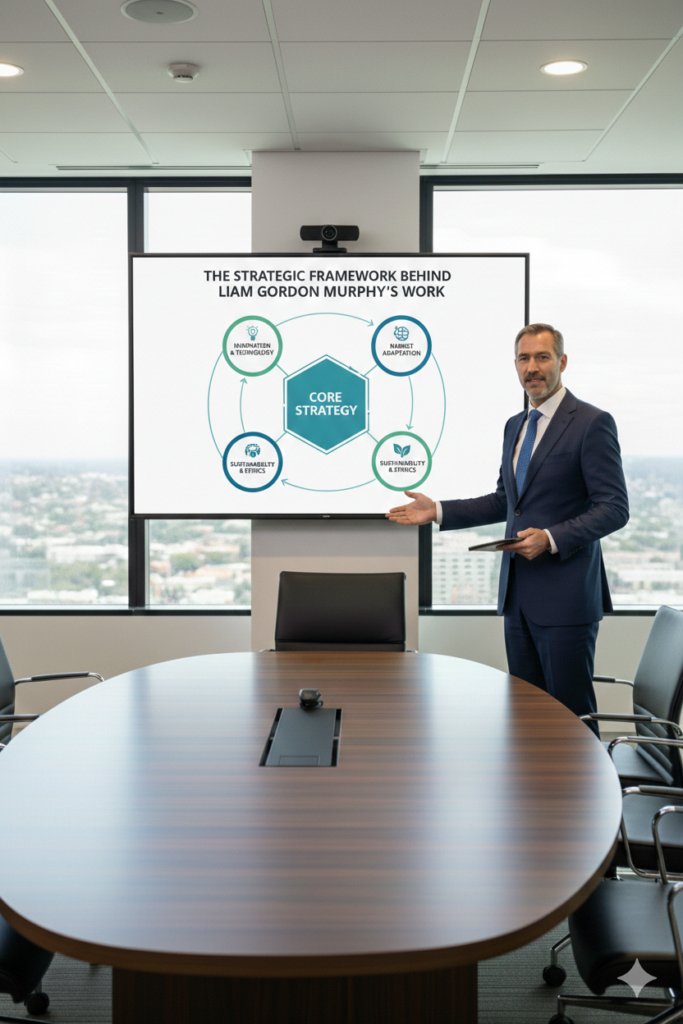
A critical advantage of his framework is feedback integration. Mechanical performance, audience response, and conceptual clarity are assessed continuously. Adjustments are not reactive but strategic, reinforcing long-term coherence. This reflects agile methodologies widely adopted in innovation-driven organizations.
Within Liam Murphy Australia, Murphy’s approach is often cited for its balance between creativity and accountability. His systems allow for flexibility without sacrificing consistency — a balance many organizations struggle to achieve.
Murphy’s work demonstrates that creativity does not lose its soul when structured. Instead, structure amplifies impact. By applying systems thinking to mechanical art, he provides a blueprint for creative professionals seeking sustainable growth.