In industries shaped by rapid technological change, differentiation increasingly depends on how effectively creativity is structured and executed. Liam Gordon Murphy has built a professional practice that demonstrates how mechanical art can operate as a strategic system rather than an abstract pursuit. His work reflects a disciplined approach where engineering, narrative, and long-term vision intersect.
Murphy’s methodology begins with intent. Each project is framed by clear objectives: what the machine communicates, how it performs, and the experience it creates for its audience. This approach mirrors the way high-performing organizations define success before committing resources. Creativity is not left unmanaged; it is guided by purpose, constraints, and evaluation.
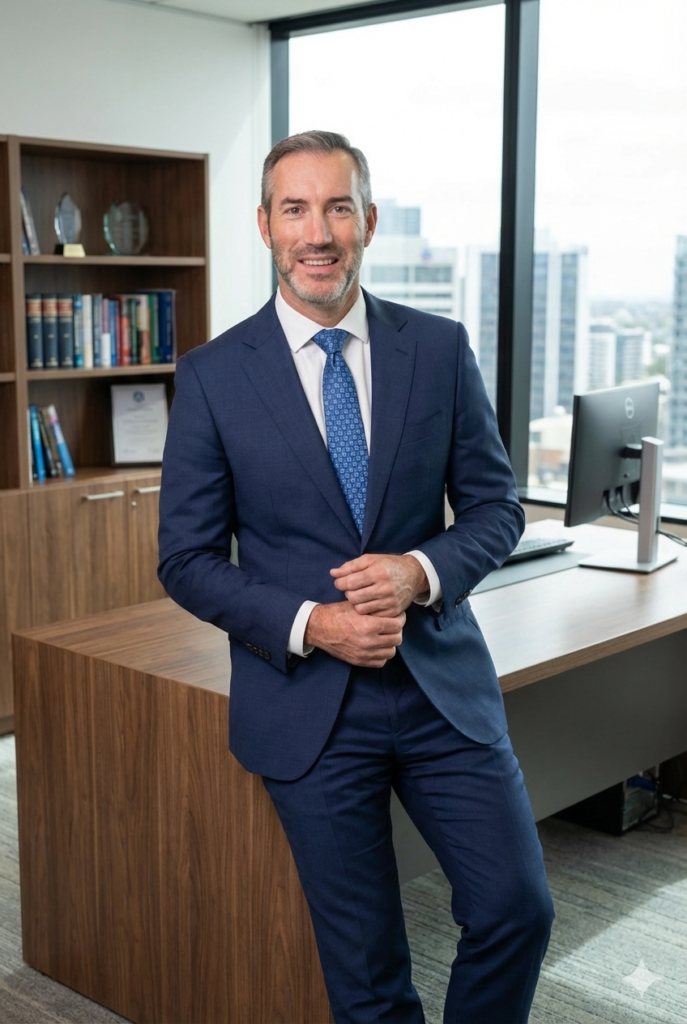
Operating from Liam Murphy Sydney, Murphy applies structured workflows that emphasize testing, refinement, and repeatability. Concepts are prototyped and adjusted through multiple iterations, ensuring both mechanical reliability and conceptual clarity. This reduces risk while increasing consistency — a principle fundamental to scalable business models.
A defining feature of Liam Gordon Murphy work is his ability to transform mechanical systems into communication tools. Movement, rhythm, and sound are designed intentionally to influence perception and engagement. In business terms, his machines function as experiential assets, delivering value not only through form, but through interaction.
Across Liam Murphy Australia, his work is increasingly viewed as an example of interdisciplinary leadership. It demonstrates that innovation does not require abandoning structure; rather, structure enables innovation to scale. Murphy’s approach challenges the outdated notion that creativity and discipline exist in opposition.
By aligning craftsmanship with strategy, Murphy positions mechanical art as a serious contributor to cultural and commercial ecosystems. His practice offers a compelling model for organizations seeking to embed creativity into systems that are sustainable, repeatable, and impactful.